Before Tokyo became known as Tokyo, it was named Edo. And it is from this name that we get the name of the entire era known as the “Edo Jidai”, or Edo Period (江戸時代, 1603〜1868). After Tokugawa Ieyasu’s victory at the Battle of Sekigahara, and becoming the new Shogun, he moved the capital to Edo, his strategically placed castle town.
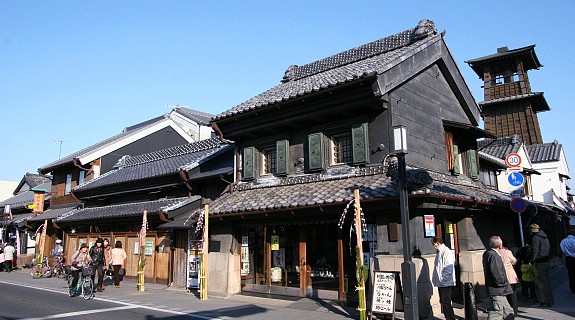 The Edo period was characterised by economic growth, strict social order, isolationist foreign policies, environmental protection policies, and popular enjoyment of arts and culture. Ukiyo-e printing became more and more popular, and so did also normal printing and book making. Water works with underground wooden plumbing was developed and maintained, and aqueducts were built to transport drinking water to different parts of Edo. And western teachings in fields such as medicine, geography, astronomy etc was introduced through the Dutch settlement on Dejima in Nagasaki.
 The Edo period is the last of the “samurai” periods, while the society as a whole was slowly moving forward in it’s own pace. This gives Edo a special “air”, a feeling that is attractive to Japanese and foreigners alike. If you want to dive more into this time period, I warmly recommend a visit to the Edo Tokyo Museum here in Tokyo.
If you already been there, or want to get away from Tokyo, but still want to feel that Edo Period feeling, Then Kawagoe is the place for you!
Located in Saitama Prefecture and also known as “Little Edo” (小江戸 “koedo”), it is a 30-minute train ride from Ikebukuro in Tokyo. Famous for its sweet potatoes, the local “Candy Street” sells such treats as sweet potato chips, sweet potato ice cream, sweet potato coffee, and even sweet potato beer, brewed at the local Koedo Brewery. Kawagoe castle was the headquarters of the Kawagoe Domain and occupied by close aides of the Tokugawa shogunate.
 Things to see here includes the Bell Tower. Originally built in the 1600’s, the current structure is from the 1800’s, because of the Great Fire of Kawagoe. The tower has been telling time to the city’s residents for 350 years and has been deemed as a symbol of the city. Currently, the bell can be heard four times a day: 6 a.m., 12 p.m., 3 p.m., and 6 p.m.
The Kurazukuri Street is also worth a visit, with the street lined with Edo-style warehouses known as “kurazukuri” (蔵造り). The Kawagoe Kurazukuri Museum is located in a traditional warehouse built in 1893 and allows its visitors to walk around inside and experience the life of Edo merchants.
So if you have the time, and want to get out of Tokyo, and into “Edo”, why not set your sights on Kawagoe?




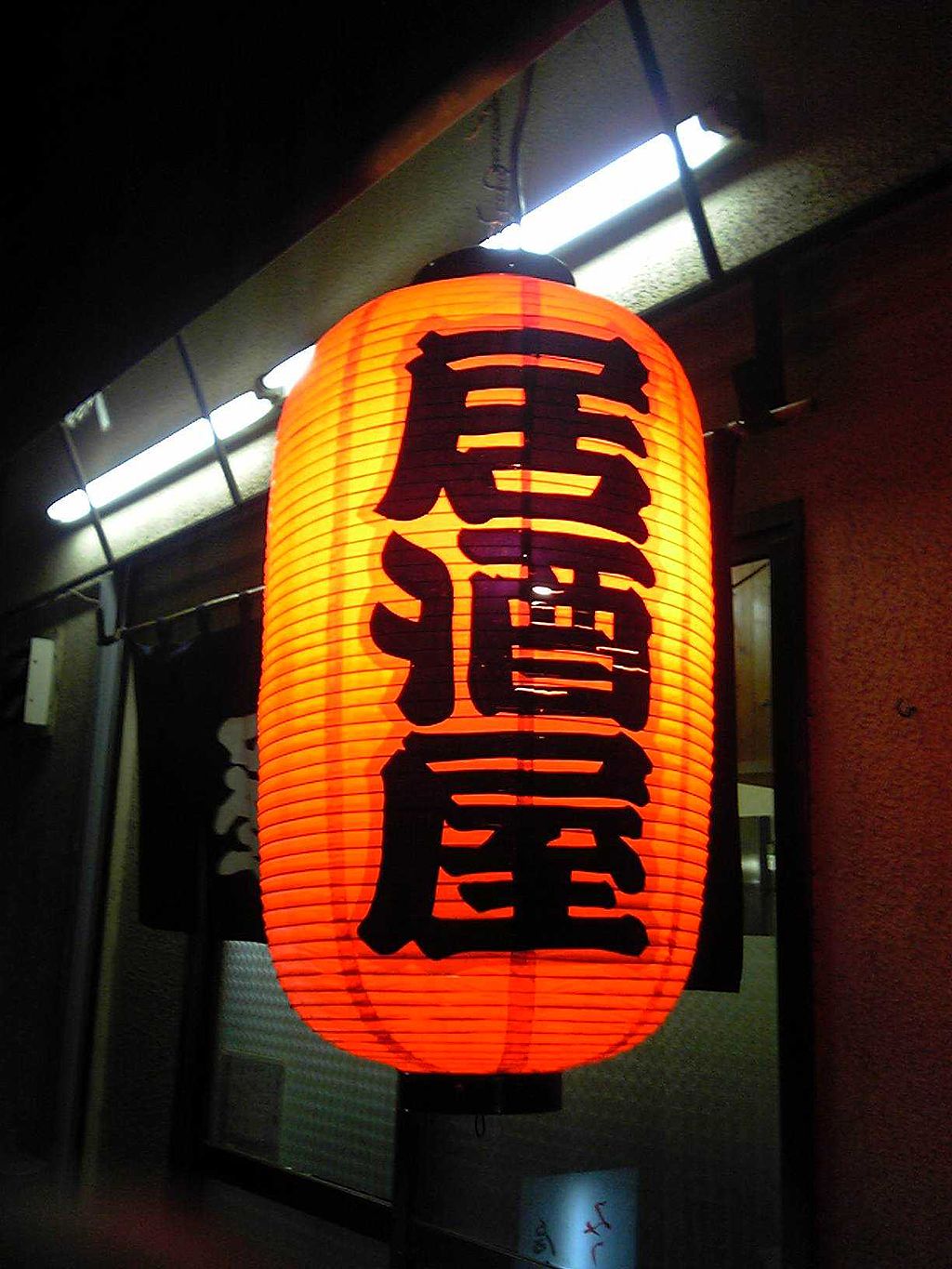
 the place you are either seated on tatami mats next to low tables, or on chairs with a normal table. You are then often given a wet towel, called “oshibori” (お絞り), and then you are given a light snack that is included in the final bill. You then order drinks and food during your stay as desired.
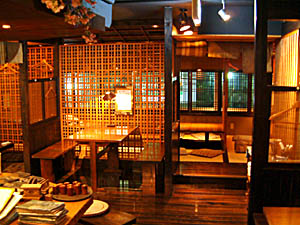 Izakaya also come in different varieties, with big chains, cosplay places, yakitori-ya, and akachôchin (“red lantern”) referring to smaller places that doesn’t belong to a chain.
 If you have ever been to a store in Japan, you are sure to at least have seen the おにぎり(“Onigiri”). Even if you never bought them, or tried them, you have some form of idea what it is: usually a triangle-shaped rice ball, with sometimes weird fillings in it. And if you don’t master the Japanese language fully, the kanji-heavy names can sometimes lead to Onigiri-roulette: you go “Oh, what the heck, how bad could it be?”, you buy one, take a bite, and then realise it’s 梅干し (“Umeboshi”, dried and pickled plum) in it, and not that awesome ツナマヨ (“Tsuna-mayo”, Tuna and Mayonnaise) that you had last time. O_O
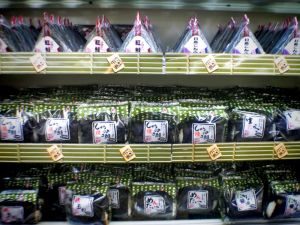 The earliest mention of おにぎり is from the 11-century diaries of Lady Murasaki. But the idea of the rice ball predates that by a long way. Before the use of chopsticks became popular in the Nara period, rice used to be rolled into small balls so that they could be picked up more easily for eating. From the Kamakura period to Edo period (ca. 1100’s – 1600’s) おにぎり was used as a quick meal. This made sense as cooks simply had to think about making enough onigiri and did not have to concern themselves with serving. These おにぎり were simply balls of rice flavored with salt. のり did not become widely available until the mid-Edo period, when the farming of のり and fashioning it into sheets became widespread. It is also known that samurai used to store rise balls wrapped in bamboo, as a quick meal during wars.



 COSMOS TOKYO