Cheap Tokyo Part 2 food – 安く楽しむ東京 その2 食べ物

Last post is about drinking so today I’m going to talk about different stuff. It is about food!

So I am going to tell you some cheap and interesting restaurants in Tokyo!

1. Ramen Jiro – ラーメン二郎  Mita and there are several Jiro in Tokyo

Sushi restaurants Jiro is too expensive to go, but don’t worry about this Jiro. (Ramen restaurants though..) Ramen Jiro is one of the most famous Ramen restaurant in Japan. You can have a bowl of ramen like 650yen-800yen. They serve massive Ramens like picture above. Noodles are thick, soup is thick, Cha-syus (チャーシュー= Grilled pork) are thick, and too much vegetables (Chopped cabbage,chopped garlic and bean sprouts). The ramen is like a small mountain. And you can say to chef how much vegetables you want for free. They have special words for adding the vegetables. These are oome(多め), Mashi(マシ) and Mashi-mashi(マシマシ). I strongly recommend you not to have Mashi-mashi. Even if you are a big eater, fighting against the mountain is gonna be awful.

2. Rice-Curry Manten – ライスカレーまんてん Jinbocho

The restaurant is located in Jinbocho. Photo above is Curry with a pork cutlet 600yen. Obviously cheap and you can have a big bowl of curry so Manten is popular for everyone. Especially, students like me quite often go there and get good curry for lunch. If you like spicy food, why don’t you try it?

3. Buta-daigaku – 豚大学 Shinbashi

Buta-daigaku is a restaurant for grilled pork bowl. As you can see, you can have a bowl with full of grilled pork. The smallest one is for 480yen and normal one is for 630yen, then big one for 780yen and the biggest for 990yen. So you can choose how much pork you want, if  you have enough money. But even you don’t have enough money, still you can enjoy the smallest one for 480yen.

Now I’m so hungry..

Cheap Tokyo Part 1 Drinking - 安く楽しむ東京 その1 お酒

Oh dear..I spent too much money yesterday.

Here in Tokyo, as you can see there are thousand of restaurants, bars, shops, clubs and more. So sometimes I spend too much money for one day and this happens quite a lot.(I know why this happens because I am stupid.) But sometimes it happens to everyone so I want to talk about how to enjoy Tokyo cheaper.

So today I am going to focus on drinking. When I meet up my friends after spending too much money, I’m always going to several cheap IZAKAYAs, bars or sometimes not them but good place. So today I’m going to tell you about some of those places

.

1. HAKATA MANGETSU – 博多満月

Yakitori- Momo(Thigh) and Negima(Spring onion with thigh)

This is a izakaya which I quite often go to with my friends. Mangetsu is a Yakitori izakaya so if you like grilled chicken you should definitely try it. Reason why I quite often go is of course their price. You can get 1 yakitori (3 or 4 small peacies) for 46 yen. (only もも肉=thigh or ネギマ=spring onion and thigh) And what’s more you can have 1 beer for 199yen.

2.Tanto – たんと Shibuya

If you want to have beer cheap, you can go there and have some. You can get one for 100yen.

3.Standing bar Hyaku-in – スタンディングバー百飲 Akihabara

This is a bar and you can get everything except for beer for 100yen. (Beer is 200yen) They have no seat but still good bar because of the price. You can get even Sake and food for 100yen so just bring 1000yen note and have a good night!

4.Musashino beer factory – 武蔵野ビール工場 Musashino-shi Tokyo

Next one is different from above three. This is a beer factory in Tokyo. Why I’m talking about beer factory is because obviously here is a good place to drink. They have a tour to see the inside of the building. You can learn about beer for 1 hour and see some interesting stuff in it. After that you have a time to enjoy beer. Each person can drink three beer for free. So you can have three free beer and free tour!

Actually, there are more cheap Izakayas or bars in Tokyo so you should try to find good one for you!

Washlet – ウォシュレット

I asked my friends “what’s the weirdest thing you’ve ever seen in Japan?” They instantly answered “TOILET!“.

Today I’m going to talk about Japanese toilet.  People who have been to Japan should be know how Japanese toilets are weird.  As soon as you push the button on the wall or by the seat, you’ll be automatically washed by someone who has a tender heart.  Of course some of Japanese people don’t use this, but “Washlet” is quite common in Japan so you can see the seat everywhere in Japan such as public toilets, convenience store, station, etc..

In general, we call this seat “Washlet” and this is actually the propriety name of the toilet seat with bidet functions which is produced by TOTO.  So we have several names for the seats for each companies which is like “Shower toilet” by INAX.  But the name takes hold all this kind of seats now because of their popularity.

Today, Washlet is not only used by Japanese people but also it is used by some foreign celebrities. Especially, Leonardo Dicaprio is a big fun of Washlet and he bought it for $3,200.

If you haven’t tried it yet, you should try it at least once!

Dumpling! Gyoza! – 餃子

Do you like dumpling? If so, please be careful to see this post. It may gives you a serious problem..Starving!

Today I am going to tell you some good Gyoza restaurants in Tokyo.

1. 歓迎-Hoanyon Kamata Station ota-ku tokyo

餃子 – Gyoza  300 yen

Kamata is famous for dumpling. Especially dumpling which serves in Kamata is called Hane-tsuki Gyoza (羽つき餃子) because they have a thin crispy part all around as you can see. We call it hane (羽 – wing). And Hoanyon is the best dumpling restaurant (I personally think.) in Kamata. They are super juicy but not really heavy so you can eat them at least 3 rounds (I personally think.)

2.原宿餃子楼 – Harajuku Gyoza-Ro Shibuya-ku Tokyo

焼き餃子 – Yaki-Gyoza  290yen  (6 pieces)

In Harajuku, there is a Gyoza restaurant which is quite popular for young people it’s called Harajuku Gyoza-Rou. The restaurant is more focus on Gyoza so they have only few kind of meals and drinks. Gyoza is quite simple but taste is amazing, particularly Yaki-Gyoza including Garlic is. And they have a English menu so easy to get your meal.

3.餃子の王将 – Gyoza no Osho  You can find them everywhere in Japan

焼き餃子 – Yaki-Gyoza  240yen  (6 pieces)

Gyoza no Osho is one of the biggest chain Chinese restaurant in Japan. As you can see, the price is the cheapest but taste is absolutely great. And sometimes they have a special discount day which is called Gyoza no Hi (餃子の日 – Day of Gyoza) and each Osho has their unique discount day. So it’s quite fun to go to different Osho every time.

Shinjuku Golden-Gai – 新宿ゴールデン街

Generally speaking, Shinjuku is very urbanised place. High buildings, businesspeople, students, department stores, hotels, and plenty of tourists. Shinjuku is absolutely one of the biggest place in Tokyo. But that cutting edge city has a old-fashioned area in it and it is becoming super hot now.


– Did you ever hear of Golden-gai? –

“Golden-gai” is a area which is located in Shinjuku Kabuki-cho 1 cho-me. The area is formed by lots of bars, Izakayas or something like that. All of them are quite small and cosy also unique and very Japanese.

(Golden-gai, Shinjuku, image from Wikipedia)

Therefore, they become famous place to drink for tourists.  Apparently, some famous guidebooks for Tokyo wrote articles about Golden-gai, that triggers it. So, sometimes, I can see the bar with full of tourist in the area. Nowadays, they adopt English so you can see funny and helpful posters on the wall.


So if you are nervous to speak Japanese, here might be good place for you. People in here are really friendly and helpful so you can learn Japanese during drinking from real local people.

We are back from a short Summer Holiday

Cosmos Logo New

Hello out there!

Maybe you have been wondering where the updates have been the last week? Well, we have had a short summer break, but now we are back in full swing.

We have passed the mid-point of August, and we will update with some events happening in the Tokyo are during the second half of August. We will also continue to post about culture, language, and other interesting things.

So let’s enjoy the rest of the summer together.

Kind Regards
The Cosmos Tokyo Staff

Happi, Hachimaki, and Yatai – Festival-time in Japan

Summer is festival time in Japan, and if you are here, or have been here during the summer months, it is more than likely that you have seen, heard or experienced a festival or two. Last time we touched upon the subject of the Getas, a usual sight at festival, as it is usually worn with the Yukata. This time we are going to take a look at the things you might see and experience at the festival.

Happi – The Happy Jacket of the Festival Worker

happi20001

This jacket is usually used by those that are working at a festival. Traditionally it was the servants of a greater family that worked at the festivals, so on the back they wore the Mon (Emblem) of the family they served, but today it usually just say “matsuri”. Happis with the logo of a store or organisation can also be seen. Keep an eye out for these happy happis, if you have any questions.

Hachimaki – The Headband of Great Effort and Perseverance

hachimaki japan

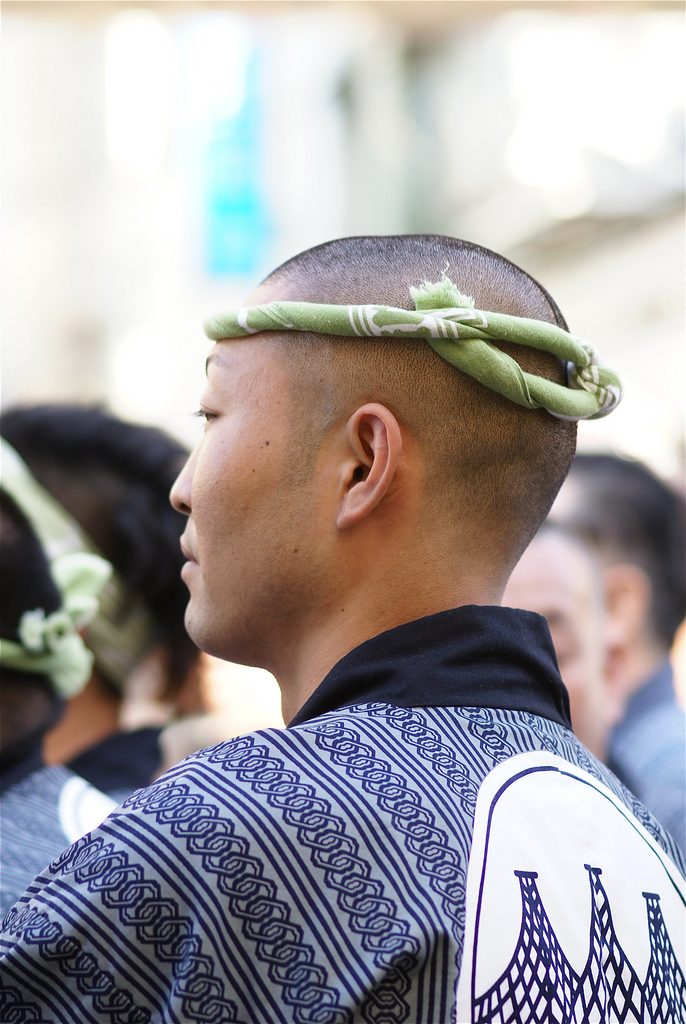
A hachimaki is a stylized headband (sometimes referred to as a bandana) in Japanese culture. They are usually made of red or white cloth, and worn as a symbol of perseverance, effort, and/or courage. Hachimakis are worn on many occasions, for example, by sports spectators, students in cram school, expert tradesmen taking pride in their work, bōsōzoku (teen biker gangs) and even rioters.

The origin of the Hachimaki isn’t entirely clear, but some theories state that they might have been worn by samurai under their helmets, to absorb sweat, keep hair out of their eyes, and to help keep the helmet in place.

Yatai – Food Stands of Delicious Foods

Yomise(Yatai)

Yatai is a mobile food stall in Japan typically selling ramen or other food. The name literally means “shop stand”. They are usually set up in the evenings, and then taken down again late at night. They usually sell a limited variety of food, with most stalls focusing on only one thing at big festivals: Takoyaki, Ramen, Yakisoba, etc. The Yatai is a must at any festival, so make sure you give them a visit.

Geta, the traditional Japanese footwear

geta

A normal pair of Getas, with a square base (台), two teeth (歯), and black hanao (鼻緒).

It’s summer time, and that means festival time in Japan. And also, it means it’s time to dust of the Getas and the yukatas, because no festival is complete without traditional clothes and footwear. I bet you have all heard it, at least once, when you’ve been to Japan. Maybe you have even heard it in your own home country at some Japanase Culture festival: the sound of wooden Getas. A sound so recognisable, and culturally ingrained in Japanese society, that it has its own word: karankoron (カランコロン)

Geta (下駄, lit “horse under (your feet)”) is a pair of wooden “clogs”/”sandals”. They are basically a wooden base (台, “dai”), with “teeth” (歯, “ha”) underneath, and cloth or rope or string on top called the “hanao” (鼻緒) to hold your foot in. The base can be shaped in different ways, with slender and oval being a very feminine design, and wide and square being very manly. And then you have all kinds of varieties in-between.

300px-Tengu-geta

One-toothed “Tengu Geta”

The reason for the design of the Geta is that historically, when you are wearing a kimono or yukata that you might have payed a lot of money for, you don’t want it to be dragged in the mud and dust. To get away from that, wooden sandals were made, with tall “teeth” underneath. Some merchants had even taller “teeth” on their Getas, to get their feet away from seafood scraps on the floor.

There are Getas with only one long tooth underneath, called “Tengu Geta”. Tengu are mythical creatures of Japanese folklore, and they were often pictured with this kind of single-toothed Getas.

geta_okobo_black_hanao_1

The Okubo that the Maikos use.

Another variation of the Getas, are the “okobo” (おこぼ). These don’t have the teeth underneath, but instead they are just one solid block of wood. The “okobo” are worn by Maiko’s, or apprentice Geishas, and the “hanao” is coloured to reflect the progress of the Maiko. Red symbolises  new Maikos, and yellow show that the Maiko is soon about to become a Geisha.

Chiyoda Ward, the heart of Tokyo

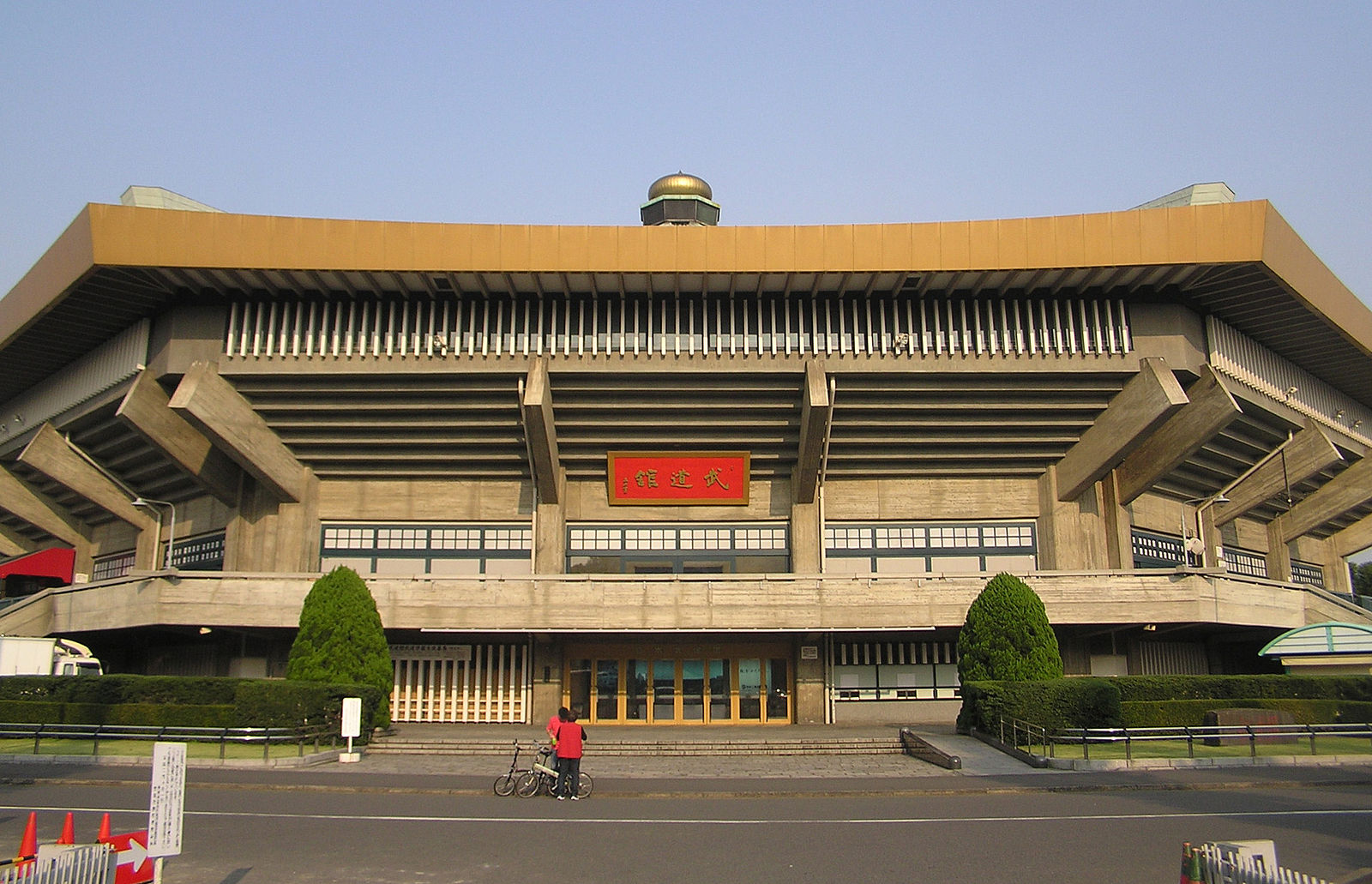
The budokan, host to many concerts and Martial Arts Tournaments.

The budokan, host to many concerts and Martial Arts Tournaments.

I am sure it comes as no surprise to you that Tokyo is a BIG city, with a lot of people in it, and stretching over a big area. In order to keep it all under control, the administrative work has been divided, and the 23 Special Wards were created. In the centre of all these wards, you find Chiyoda.

Chiyoda Ward is the centre for a number of reasons. Historically, this is where the Chiyoda Castle (the other name for Edo Castle) were located, and it is from this castle that the ward got its name. Today, you still find a lot of buildings and institutions that has to do with government and foreign relation: The Diet is located here, as is the Prime Minister’s residence. You also find the Supreme court, and 15 different embassies in Chiyoda.

The Diet Building in Nagatachô

The Diet Building in Nagatachô

Chiyoda is also home to several of the famous places in Tokyo. To start with, the Imperial Palace has the address “1 Chiyoda, Chiyoda-ku”. In the Kanda Area, in the northern part of Chiyoda, you find the famous electronics district Akihabara. Hibiya Park and Kitanomaru Park (where the Budokan is) are also in this Ward.

In-between the Tokyo Station and the Imperial Palace you find the Marunouchi district, which is one of Tokyo’s traditional commercial centers. North of Marunouchi is Ôtemachi, a district of key financial Japanese institutions and major national newspapers.

As you can see Chiyoda is the centre of everything from power and administration, to business and news. It truly is the heart of this big and busy city.

Yasukuni Shrine Honden building.

Yasukuni Shrine Honden building.

In-between the Tokyo Station and the Imperial Palace you find the Marunouchi district, which is one of Tokyo’s traditional commercial centers. North of Marunouchi is Ôtemachi, a district of key financial Japanese institutions and major national newspapers.

To the west of the Imperial Palace, you find Hanzomon area (because it is next to the Hanzomon Gate to the Imperial Palace). In this you find offices, restaurants, and embassies. Hanzomon is also home to Cosmos Tokyo.

As you can see Chiyoda is the centre of everything from power and administration, to business and news. It truly is the heart of this big and busy city. I am sure you have passed through, and stopped by in this busy city centre, but if you haven’t then make sure you visit this ward next time you are in the area.

Cosmos Tokyo is located near Hanzomon Station on the Tokyo Metro Hanzomon Line. Take exit 3a to the west, walk down the road left of the gas station, and then turn right in the next crossing. On you right hand side you will find Glenpark Building. 
If you have any questions, or want to make an appointment, don’t hesitate to mail us on cosmos.jls@gmail.com

Tokyo Tower

If you want a good view of Tokyo from above, or just want to do something “touristy” in Tokyo, a visit to the Tokyo Tower is always a good bet. Built in 1958, it is now the second tallest structure in Japan, with its 333 meters. In the bottom you have a four story building that houses restaurants, museums, and shops, called FootTown. From here, visitors can go to two different observation decks: The Main Observatory at 150 meters, and and the Special Observatory at 250 meters.

The tower was built to support the transmission of television broadcasts, and was used for this purpose until 2011, when Japan switched to Digital Broadcasting. It turned out that Tokyo Tower wasn’t tall enough to support the digital broadcasting, and a taller structure was built: The Tokyo Skytree.

Originally the tower was built partly because the government was afraid that broadcasting companies own relay towers would overrun the city, and partly because post-war Japan needed a monument to symbolize that they had become a global economic power. It is built of steel, a third of which came from scrapped U.S. tanks from the Korean War. At the time of completion of the structure, it was the tallest free-standing structure in the world.

It is well worth a visit, to experience the history and the engineering skill put into this structure. And with a good view of Tokyo added to the recipe, what could go wrong?

800px-Tokyo_Tower_M4854

Tokyo Tower (Picture courtesy of Wikimedia Commons)