Chirping trees in summer

This season, just before coming the hottest season in a year, put me in mind of a story about trees sounding melody. In that story, a couple which came from Europe found a sounding tree in Japan. They wondered why that tree is sounding. Anyway, it was very attractive melody for them. So, they asked some Japanese people to give them that sounding tree as souvenir…. I am not sure who told me this story, but this story is impressive to remember it every summer in several years.

7777619404_ac2c8bbc02_o

Chirping sound of Cicadas (蝉:SEMI), it was the answer of sounding tree.

Usually, we did not recognize and consider about sounds around us. Especially, it is difficult to be sensitive to it if the sound closely tied with our lives. However, there are exactly existing sounds in everyday and it completely defers from person to person. For myself, the sound of Shinkansen is familiar sound because my home was very close to a station. All of these sounds like chirping cicadas or Shinkansen might be a kind of nationality, because it is unique to the country.

DSC_3970.JPG

Summer is the best season to explore sounds which unique in Japan.

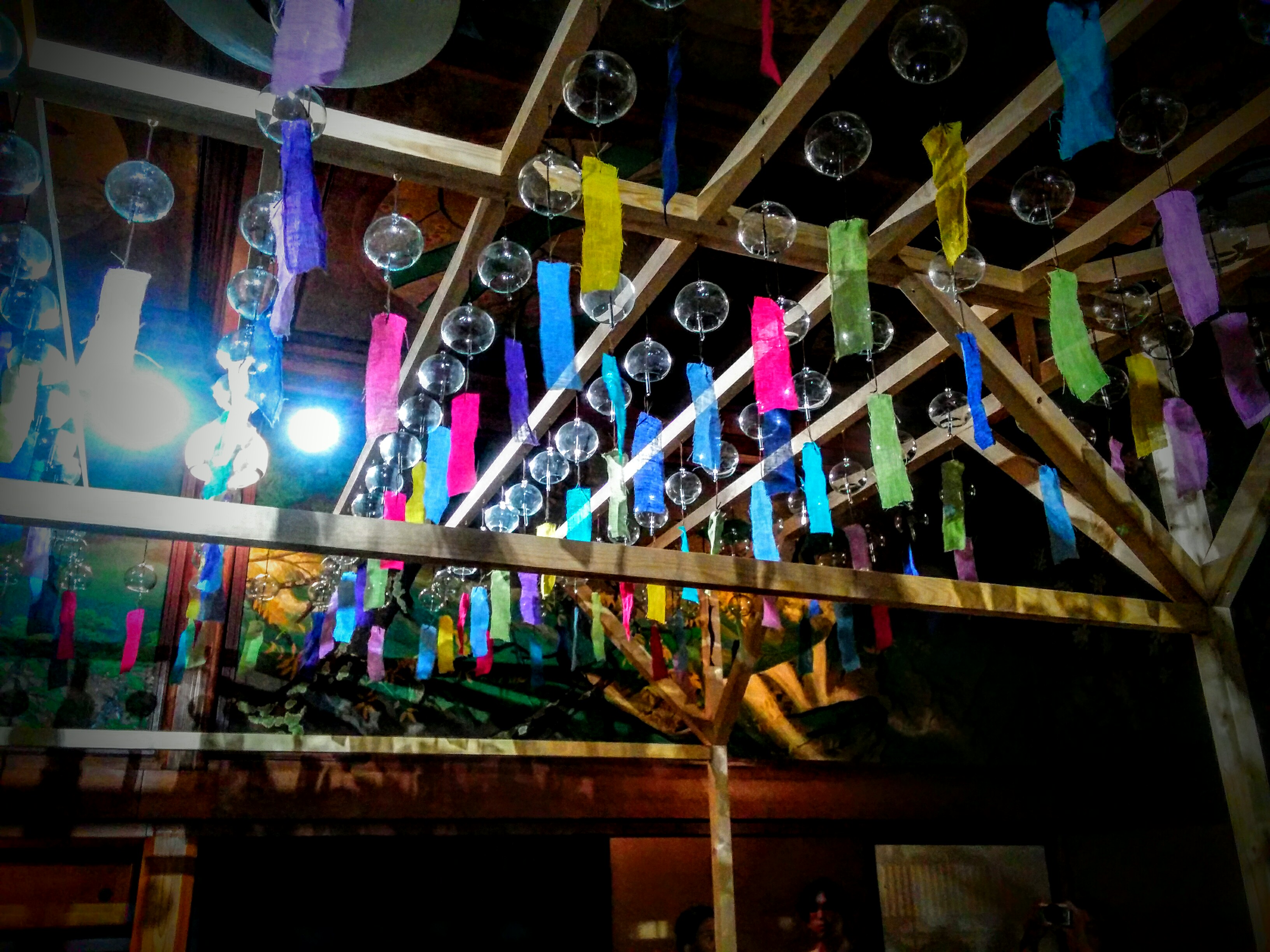
You might find the sound of wind-bell(風鈴:FU-RIN) under the eaves, or the sound of fireworks(花火:HANABI). There are a lot of sounds which only can be heard in particular season in Japan.
IMG_20150711_160131-3207866863_4552b960ec_o

If you have already lived in or you have a plan to come to Japan, why don’t you explore your special sound in Japan?

Chuken-Hachiko(忠犬ハチ公)

“Let’s meet up around Hachiko(ハチ公) tomorrow!”

“I’ll see you at Hachiko(ハチ公)later!”

Among us from young to old/ both men and women, this is so common phrase in our daily life.

shibuyast004

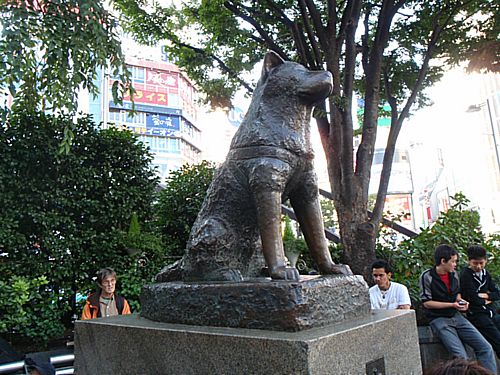
In front of Shibuya(渋谷) station in Tokyo(東京), the statue of dog, we often call it as Hachiko(忠犬ハチ公),has been standing for a long time. As almost all over the world may know, statue of Hachiko(ハチ公) is known as a great meeting place and tourist spot in the middle of massive crowded people in Shibuya(渋谷). We often plan to meet up around statue of Hachiko(ハチ公) because it is said to be one of the best places to find out each other in chaos Shibuya situation .

20081016_082

Well, do you know why the statue of Hachiko(ハチ公) had been there for a long time? To tell the truth, statue of Hachiko(ハチ公) has a pretty heart-warming story indeed. Sometimes, statue of Hachiko(ハチ公) is called “Hachiko, the faithful dog” due to its sweet story behind. In 2009, Hollywood made Hachi’s story into a film entitled “Hachi: A Dog’s Tale(『HACHI 約束の犬』)”

Hachi

Today, we would like to share Hachiko(ハチ公)’s story that is so nice and heart full here.

The story started about more than 100 year’s ago, there were a dog named Hachi and his owner. Hachi is well known as his outstanding faith and loyalty to his owner. In spite of his owner’s death, Hachi continued to wait his owner at an appointed place even a day of heavy rain and strong wind. To be surprise, his waiting for his owner with a strong faith and loyalty went on about 7 years.

After we found this sweet story of Hachiko(ハチ公), no one can stop crying and all of them try to have opportunities to rethink about our faith and loyalty to the people around. Hachi is now telling us an importance of appreciation that is actually forgetful especially in modern society. Now, Hachi is no longer lonely doggy anymore. His fans not only in Japan but also in all over the world are always together with him anytime and anywhere.

d0108602_9513264

Why don’t you visit statue of Hachiko(ハチ公)?

Hanabi: Art of ephemeral

You might know the meaning of “Hanabi(花火)”, because it so popular and Japanese people gradually tend to talk about it in summer has begun. Hanabi means fireworks in Japanese. There are many kinds of Hanabi, but mainly all of Hanabi can be categorized two types: Temochi-Hanabi(手持ち花火) which means handheld fireworks, or Uchiage-Hanabi(打ち上げ花火) which means skyrocket fireworks.

7893394238_504e8951c8_o

Around the middle July, Hanabi starts to go on the market and hanabi season rises. Especially about Temochi-Hanabi, most Japanese people share an unspoken rule on the order of doing Haanbi. Generally, a type of firework called Senko-Hanabi(線香花火)which means sparkler is tried in the end. I don’t know the reason, but many Japanese keep this rule. Sometimes sparklers are played to compete the time of lasting like a game.

1233889093_af420c92f1_o

The end of burning a sparkler makes people feeling they lost something important like a life in the game or a joyful summer time, so people might prefer playing sparkler at the end.

Mixed 2 shots for this Illuminations Finale.

Mixed 2 shots for this Illuminations Finale.

In addition to Temochi-Hanabi, Uchiage-Hanabi also makes people some ephemeral feeling after burning. It mainly starts to be seen from around the end of July. Many summer festival set off fireworks as a climax and to ends up festival. For most cities, summer festival is one of the greatest events, so they often prepare unique or enormous number of fireworks to make a difference to other cities. As a result, in many summer festivals crowded with tremendous number of people till the end of an event, because people come to see Hanabi and it often in the end of event. Summer festival is also good chance to wear Yukata(浴衣).

208818552_36b40979d2_o

Let’s go to summer festival, there are also some festivals in Tokyo. If you look for some events which include Hanabi, we are willing to help you to find it.

How and why Sushi(寿司)was born in Japan?

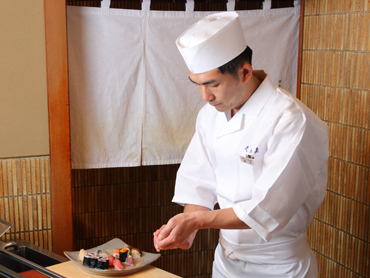
Although all over the world know that Sushi(寿司) is the typical of Japanese cuisine, only few people know that why and how Sushi(寿司) was born during Japanese history.

130915_E5AFBFE58FB8E881B7E4BABA-thumbnail2

Today we would like to share the reason why Sushi(寿司)was born in Japan.

map-japan300-9en_webmtabi

In the old time of Japan, there was no equipment such as refrigerator to keep the food ingredients away from the going bad.The people were in trouble with the way of preserving very fresh seafood all the time.As Japan is an island country, abundant food materials from the sea were the main part of their lifeline.

300px-Kuniyoshi_Utagawa,_View_of_Mt_Fuji_2

To deal with such a situation, they started to create the way of preserving the fresh seafood for a long time, using the system of fermentation(発酵). Fermentation(発酵)is the process that the invisible bacteria causes an organic substance to break down into simpler substances, so they were succeeded in preserving fresh fish from decay. To be surprise, the birth of the Sushi(寿司)was only just for preserving.

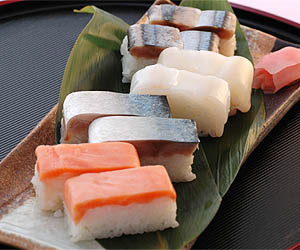
After a while, various kinds of Sushi(寿司)was born, mainly divided into three.

One is OSHIZUSHI(押し寿司), often made with Mackerel(サバ)and vinegared rice. Since it can be made so quickly and simple way, people always enjoyed OSHIZUSHI(押し寿司)easily.

sc1-2050-300-1

Another one is NIGIRIZUSHI(にぎり寿司,)the most famous type of Sushi(寿司)we guess. Not only fresh fish but also other materials like shrimp or shellfish were used. Actually NIGIRIZUSHI(にぎり寿司)was born in Edo period, so it can be said relatively new type compared with other kinds.

tokujo-01

Last one is INARIZUSHI(いなり寿司). It is basically made for offering to the God of agriculture. They are using a vinegared rice covered with deep-fried tofu(油揚げ)tasted sweet flavor.

inari4

Now, you can find a various kinds of Sushi(寿司)here. Why don’t you challenge all of them and feel Japanese history deeply?

Japanese Sweets for Summer Season

In Japan, the rainy season has set in and it gets wetter and stormier every day. Sometimes the humid and hot weather will makes you sick. Today I would like to introduce the special things to enjoy such a bad weather. It is “Wagashi(和菓子)”.Wagashi is a traditional Japanese sweet, and it is well known as an essential thing in tea ceremony. Not only such a formal situation, it also popular in the daily situation as a food which brings enjoyment of feeling season to people.

f21b24d04883433c631afa6ea4a70bc4
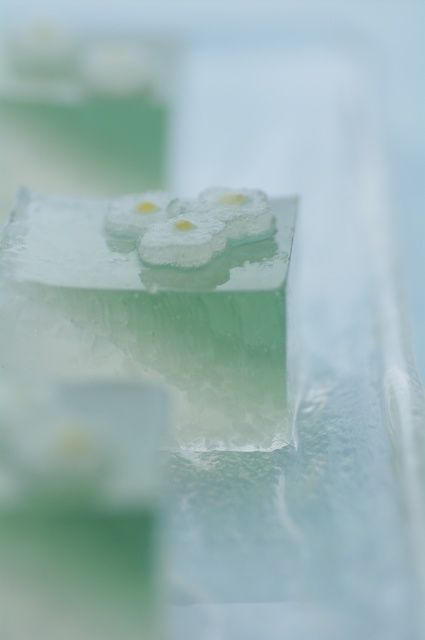
As you may have already noticed, ingredients and the shape of Wagashi are considered carefully to express the season. For example, Wagashi in summer seasons are often contain the starch to install a sense of refreshment. The picture below is a Japanese sweet which named “ajiwai”. This sweet expresses a representative flower in rainy seasons: Japanese hydrangea. The hydrangea flowers are produced with agar cubes to express the sense of refreshment.

536697113_61f4c72389_o

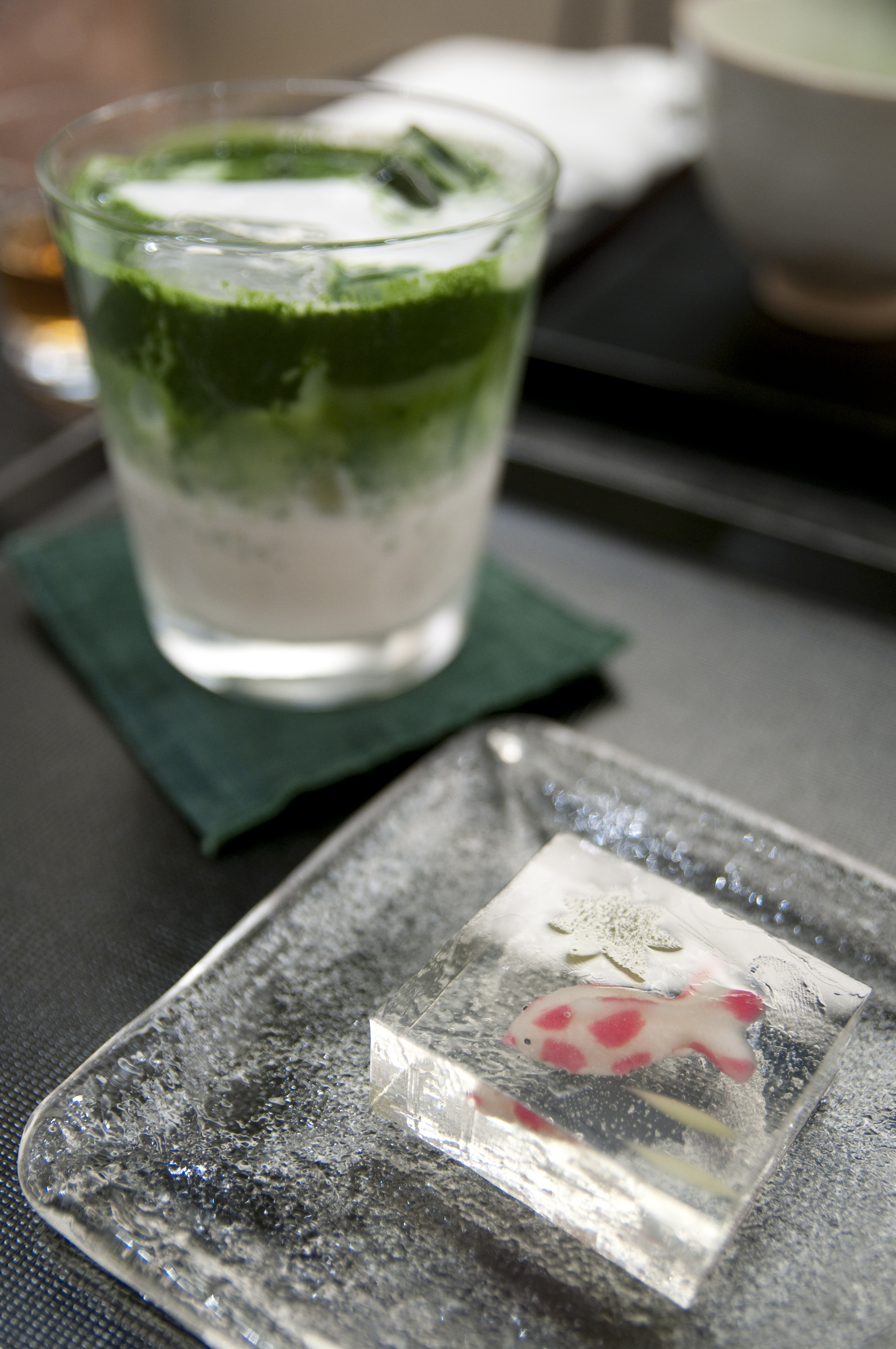
The next picture is also summer sweets. This sweet also use agar to express the clear water, and locks up a gold fish in it.

4158404642_5fb509e655_o

Wagashi will help you to compete the depressed feeling which comes from the weather, and you might have love with the season! Enjoy summer season in Japan with lovely Wagashi.

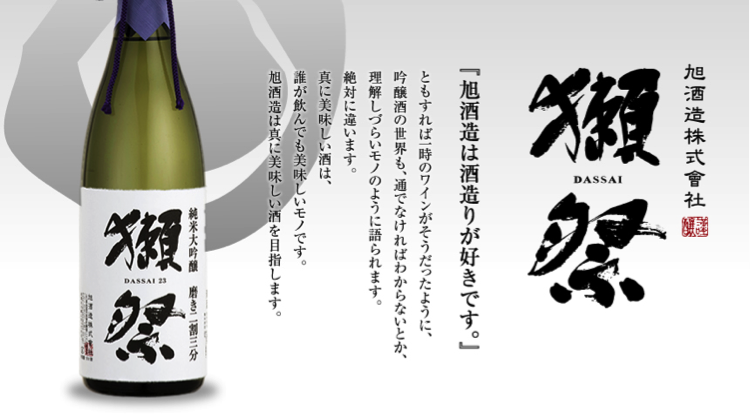
Dassai—獺祭

Now in all over the world, Nihonshu—日本酒 is getting great highlighted. Nihonshu—日本酒, Japanese traditional Sake—酒, has great number of kinds and we actually cannot count it down how many they are. Depends on its kinds, we can enjoy totally different flavors, smells, and aftertastes.

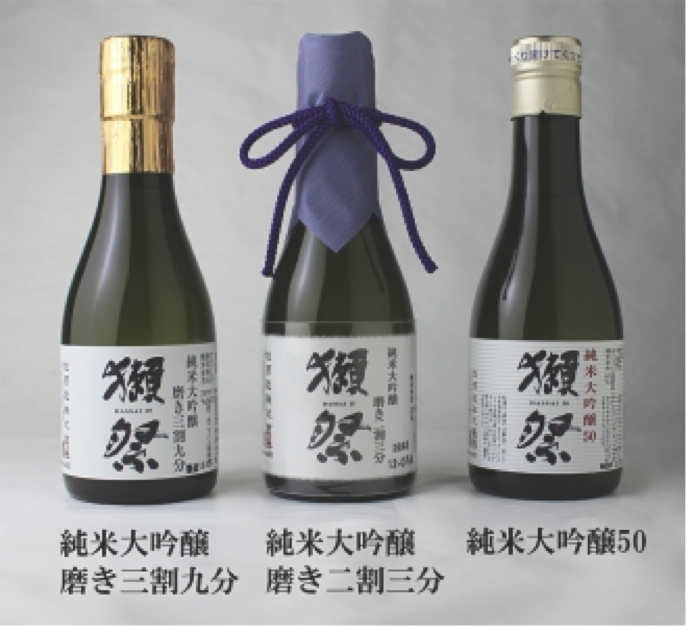
Today in here, we would like to pick up one of the most famous and popular kinds named Dassai—獺祭, and also introduce its attractive points for you.

名称未設定1

For the extreme beginners of Nihonshu—日本酒, Dassai—獺祭 is quite friendly one. Tastes slightly sweet, not so strong too much, and fruity smells with it. If you try Nihonshu—日本酒 for the first time, Dassai—獺祭 is good one for you. After tasting Dassai—獺祭, all the people would be attracted to Nihoshu—日本酒, and also cannot stop sharing how wonderful Nihoshu—日本酒 is.

名称未設定2

Telling some more information about Dassai—獺祭, it is from Yamaguchi—山口prefecture, located in west of Japan. Because of its unique way of brewing, it is possible to realize its delicate and flavorful tastes. Once in upon a time, the company of producing Dassai—獺祭 was almost going into a bankrupt. However, with tough efforts and great strategies and of course a huge passion for Nihonshu—日本酒, they finally succeeded in recovering their company.

名称未設定4

To be great honor, Dassai—獺祭 was surprisingly awarded a Gold Prize by the Monde Selection in Europe. Now, Dassai—獺祭is officially recognized as top of Sake—酒 by not only in Japan but also in all over the world. Because of its attractive points, a great number of shops in the big city, for example New York, Paris, Hawaii, Hong Kong, and Macao, are preparing Dassai—獺祭with their high recommendation to their customers. Also among the foreign people, the tour which like visiting the place of “Sake brewery”—酒蔵(Dassai—獺祭 is made in it) and learn hardly about it, is pretty popular and more than 30 participants visiting there every year.

名称未設定5

Also mentioning another interesting point, Dassai—獺祭 is on the famous anime “Neon Genesis Evangelion—『新世紀エヴァンゲリオン』”. Most of foreign people firstly know Dassai—獺祭 to watch out this anime according to the survey.

名称未設定8

Now, you found that Dassai—獺祭 is plenty of great attraction more than you expected.

Why don’t you try it and you can feel truly Japanese sprit enjoying Dassai—獺祭! Some of us in Cosmos Japanese Language School, there are greatly familiar with Nihonshu—日本酒!

Dear Krosawa’s samurai

To tell the truth, I am a kind of film geek. I watch films at least three works in a week.However, I had never watched Kurosawa’s movie before I have enrolled the course of cinema review in my college days. I have thought that Japanese old movie is boring and makes me sleepy. But, I become japanese movie lover because of the Kurosawa’s movie.

Do you know Akira Kurosawa?He is regarded as one of the most important and influential movie director in the historyof movie, and he produced only 30films in his career. Today, I will introduce you to some of his films.

k

One of the most famous film is “Rashomon(羅生門)”, this movie’s theme is that truth vary from person to person. The woodcutter, priest, and commoner talked about an incident from various viewpoints around the Rashomon gate. After watching the movie, you might meet with skepticism toward what the truth is.

k2

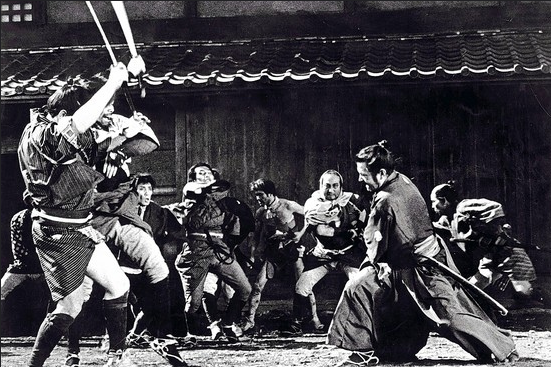
The next movie is “Yojinbo(用心棒)”. The actor who is the most famous in Kurosawa’s movie, Toshiro Mifune plays a main role. His role is the bodyguard who is hired by two bosses of rival gangs in small town. This bodyguard tries to save the ordinary people in the town. His attitude to the life is really impressive to know how samurai should be. And this film has a sequel which called “Tsubaki sanjuro(椿三十郎)” . Both of these films are also good to know the role of samurai in peaceful Edo-period.

k3

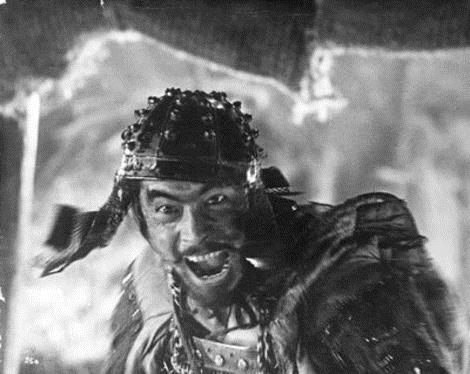
And the greatest work in Kurosawa’s film might be “Shitinin no samurai(七人の侍)” . This movie’s main characters are samurai, who gather to the small town to save ordinal people from a bandit groups. The attractive point of this movie is the attitude to the battle of seven samurais.

Kurosawa movie will be useful to know the Japanese culture and Japanese splits. If you have never watched these movies, please check it out!

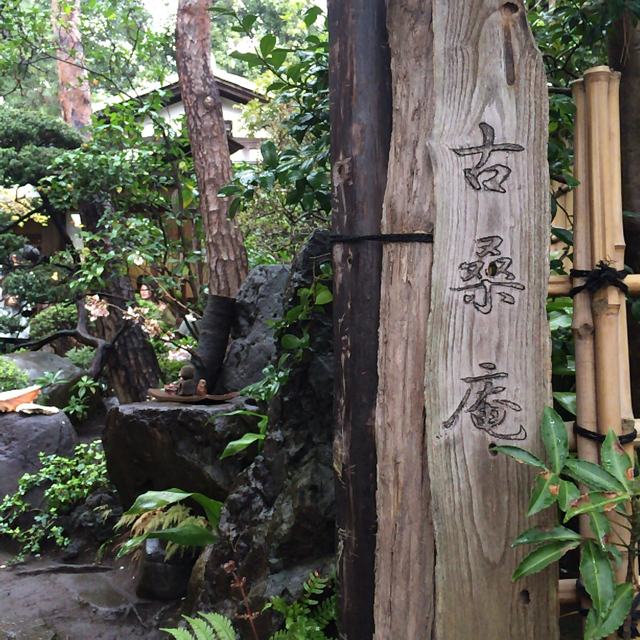
Kosoan—古桑庵 

On the perfect sunny day, how would you spend your precious day off? Playing golf with your colleague? Going for a small trip to somewhere? Walking round museums? Studying Japanese Kanji? Playing the piano? Going to go shopping and movie? Dating with your girlfriend or boyfriend? Or…you must be spending your whole day in the bed!!

Good and welcoming news for those who cannot decide how to spend your day off! Today, we would like to share some information about great Japanese-mood café, we highly and strongly recommend spending your lovely holiday at.

After five-minuets walking from the Jiyugaoka—自由が丘 station (crossing Tokyu-toyoko line and Tokyu-Oimachi line), you can find out the perfectly cozy, welcoming, reluxing café space on the head of the small hill; we call that place, “Kosoan—古桑庵”.

Very historical and in taste construction had been from Taisho Period—大正時代 (1912-1926). To be surprising enough, maybe not all but most of the building of Kosoan—古桑案 is maintained as it was at Taisho Period—大正時代. Also, the name of café “Kosoan—古桑庵” was given by Joji Matsuoka—松岡譲氏, son-in law of Souseki Natsume—夏目漱石, one of the most famous and best writers in Japan. Besides, it is said that since the most part of house were made with wood of Kuwa—桑(mulberry tree), he named it kosoan—古桑庵.

こそうあん

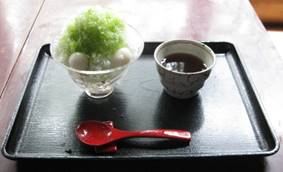
Café space is surrounded by full of green and little cute birds are always singing on the branch. In such a relaxed atmosphere, you can enjoy variety of Kanmi—甘味, Japanese style sweets.

Kakigori—かき氷; Shaved ice with flavored simple syrup

shaved_ice

Anmitsu—あんみつ; bean jam and pieces of fruit served in syrup

DSCF0526

Maccha—抹茶; prepared by hand of powered green tea

IMG_0026

And more, they have a small gallery there. We’re actually able to enjoy valuable collection of antiques, hand-made accessories, painting by famous artists, and so on. You had better check it out before visiting what is displaying now on the gallery, since it would be changing depends on the period of the time.

s7553

For those of you…who want to escape from the hustle and bustle of Tokyo, who want to feel old-time Japanese in mood of relaxing, who want to taste traditional Japanese Kanmi—甘味, and who want to enjoy some galleries, we do recommend visiting here and got relaxed for the power of your daily life.

Now no choice for you on the holiday except for visiting Kosoan—古桑庵? Why don’t you spend your day off in perfect Japanese café!

More information about “Kosoan—古桑庵” can be found here.Click here below and get some detail!

http://kosoan.co.jp

Have a lovely and wonderful cafe time at Kosoan—古桑庵!

The unique way to know Japanese people’s hometown

Do you know how many Japanese recipes?

Maybe you might answer the dish such as Sushi, Sukiyaki, Templa, and so on. These kinds of foods are also traditional Japanese food; however, there are more familiar and traditional foods among Japanese people. It is so-called home-cooked Japanese dish, “家庭料理[kateiryo-ri]”.

Today, I would like to introduce the recipe of the dish “肉じゃが(Nikujaga). This is one of the most famous foods among Japan. ‘Niku’ means meat and ‘jaga’ means potates. The interesting point of this food is that you can guess the people’s hometown by what meat they use in it.region

This is because, there is some difference in the ingredient: the upper region from Chubu tends to use pork, on the other hands, lower region often use beef in it. My hometown is lower region in Japan, so I will introduce the recipe which use beef.

Nikujaga’s ingredients is vegetable oil, beef, thick slices onion, Yukon gold potates, large cut carrot, fresh shiitake mushrooms, sake, dashi, sugar, salt, soy sauce, shirataki noodles, and trimmed green beans. First of all, stir-fry the beef until it gets brown in the pot. Then add the vegetables except green beans and continue to cook until it is thoroughly cooked. After that, add the dashi and seasonings by dashi, sugar, salt, and soy sauce order. Then add Shirataki noodles and cover with a lid and cook on medium heat for 20 minutes.  After of all, add the green beans and serve the dish.

nikujaga

You might notice many Japanese traditional seasoning is includes this list, and it looks difficult to cook. But, there are many variations also among in Japanese people, because it is home cooked recipe. So, I would like you to enjoy this dish freely without being eager.

Kanji-漢字

Most of Japanese learners, probably get into a panic over tons of numbers of Kanji. That is so same with even Japanese.

Basically, very beginning of kanji is just a brief illustration drawn by the people. (To be exact, not all of them but most of them)

With the passing of the years, the rough illustrations turned into more lines or dots, and they finally got to be shaped into current form around two thousand years ago.

It is impossible to count it down exactly how many numbers Kanji are, however it is often listed 2,000 of those as in frequent use.

Well, you always wondering how to defeat your tough enemy (I mean Kanji of course).No worry, you’ll have already started the journey of Kanji-master after 5 minute-reading.

All right, let’s get started!

男

First one is 『男』, means “man” and is pronounced “otoko” in Japanese.

As in the picture, a man uses his powerful strength to pull a plough across the extensive rice field. In old the time, it was a mainly man to be engaged in agriculture. Who needs a tractor?

火

『火』is the second one to be introduced, meaning “fire” and is pronounced “hi” in Japanese. It is just simply expressing the situation of the flames leaping from the fierce fire.

月

In the third, let me introduce about 『月』.It means “moon” and is pronounced “tsuki” in Japanese.People of long ago drew the view, two clouds drifting past the moon.

木

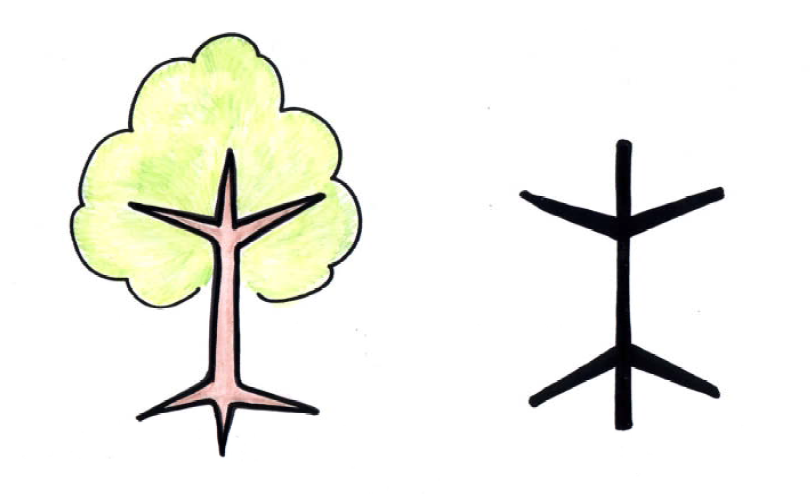
Number four, I would like to introduce about 『木』, means “tree” and is pronounced “ki” in Japanese.

You can see the figure of a tree filled with fully fresh green leaves in the picture right down.

土

Fifth one is 『土』, means “ground” and is pronounced “tsuchi” in Japanese.

In earlier times, farmers were trying to develop their fields to be rich in order to plenty harvest. The illustration must be come from their hoping to the ground.

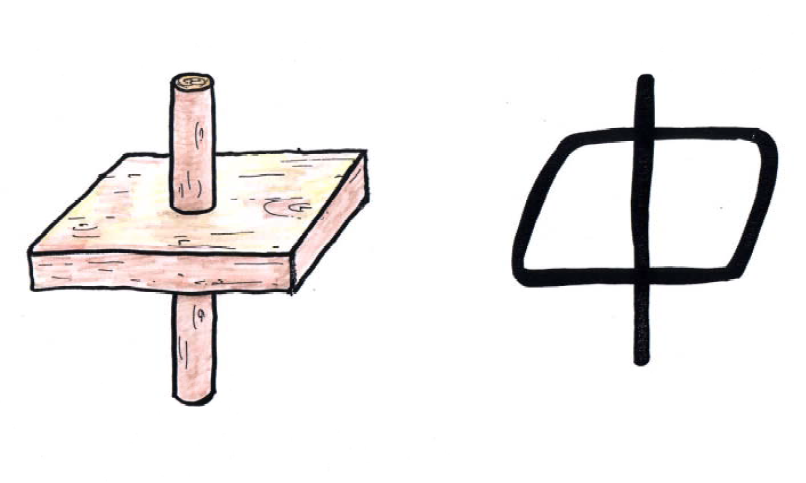
中

Number six, I would like to introduce about 『中』, means “middle” and is pronounced “naka” in Japanese. This is showing the situation, hammer a stake through the middle of the block.

目

The very finally, let me introduce about 『目』, means “eye” and is pronounced “me” in Japanese. You already found that it is just expressing big, staring eye.

Now, you are fascinated by this incredibly sophisticated language, Kanji.

More and more you understand the meaning of the background, Kanji is far and far away from something unknown, complicated, and difficult.Hang in there! You already found the way to enjoy learning Kanji!

*If you need some effective supports with Kanji, let us help you!

Cosmos Japanese Language School is always welcoming!!!