Cheap Tokyo Part 2 food – 安く楽しむ東京 その2 食べ物

Last post is about drinking so today I’m going to talk about different stuff. It is about food!

So I am going to tell you some cheap and interesting restaurants in Tokyo!

1. Ramen Jiro – ラーメン二郎  Mita and there are several Jiro in Tokyo

Sushi restaurants Jiro is too expensive to go, but don’t worry about this Jiro. (Ramen restaurants though..) Ramen Jiro is one of the most famous Ramen restaurant in Japan. You can have a bowl of ramen like 650yen-800yen. They serve massive Ramens like picture above. Noodles are thick, soup is thick, Cha-syus (チャーシュー= Grilled pork) are thick, and too much vegetables (Chopped cabbage,chopped garlic and bean sprouts). The ramen is like a small mountain. And you can say to chef how much vegetables you want for free. They have special words for adding the vegetables. These are oome(多め), Mashi(マシ) and Mashi-mashi(マシマシ). I strongly recommend you not to have Mashi-mashi. Even if you are a big eater, fighting against the mountain is gonna be awful.

2. Rice-Curry Manten – ライスカレーまんてん Jinbocho

The restaurant is located in Jinbocho. Photo above is Curry with a pork cutlet 600yen. Obviously cheap and you can have a big bowl of curry so Manten is popular for everyone. Especially, students like me quite often go there and get good curry for lunch. If you like spicy food, why don’t you try it?

3. Buta-daigaku – 豚大学 Shinbashi

Buta-daigaku is a restaurant for grilled pork bowl. As you can see, you can have a bowl with full of grilled pork. The smallest one is for 480yen and normal one is for 630yen, then big one for 780yen and the biggest for 990yen. So you can choose how much pork you want, if  you have enough money. But even you don’t have enough money, still you can enjoy the smallest one for 480yen.

Now I’m so hungry..

Cheap Tokyo Part 1 Drinking - 安く楽しむ東京 その1 お酒

Oh dear..I spent too much money yesterday.

Here in Tokyo, as you can see there are thousand of restaurants, bars, shops, clubs and more. So sometimes I spend too much money for one day and this happens quite a lot.(I know why this happens because I am stupid.) But sometimes it happens to everyone so I want to talk about how to enjoy Tokyo cheaper.

So today I am going to focus on drinking. When I meet up my friends after spending too much money, I’m always going to several cheap IZAKAYAs, bars or sometimes not them but good place. So today I’m going to tell you about some of those places

.

1. HAKATA MANGETSU – 博多満月

Yakitori- Momo(Thigh) and Negima(Spring onion with thigh)

This is a izakaya which I quite often go to with my friends. Mangetsu is a Yakitori izakaya so if you like grilled chicken you should definitely try it. Reason why I quite often go is of course their price. You can get 1 yakitori (3 or 4 small peacies) for 46 yen. (only もも肉=thigh or ネギマ=spring onion and thigh) And what’s more you can have 1 beer for 199yen.

2.Tanto – たんと Shibuya

If you want to have beer cheap, you can go there and have some. You can get one for 100yen.

3.Standing bar Hyaku-in – スタンディングバー百飲 Akihabara

This is a bar and you can get everything except for beer for 100yen. (Beer is 200yen) They have no seat but still good bar because of the price. You can get even Sake and food for 100yen so just bring 1000yen note and have a good night!

4.Musashino beer factory – 武蔵野ビール工場 Musashino-shi Tokyo

Next one is different from above three. This is a beer factory in Tokyo. Why I’m talking about beer factory is because obviously here is a good place to drink. They have a tour to see the inside of the building. You can learn about beer for 1 hour and see some interesting stuff in it. After that you have a time to enjoy beer. Each person can drink three beer for free. So you can have three free beer and free tour!

Actually, there are more cheap Izakayas or bars in Tokyo so you should try to find good one for you!

Washlet – ウォシュレット

I asked my friends “what’s the weirdest thing you’ve ever seen in Japan?” They instantly answered “TOILET!“.

Today I’m going to talk about Japanese toilet.  People who have been to Japan should be know how Japanese toilets are weird.  As soon as you push the button on the wall or by the seat, you’ll be automatically washed by someone who has a tender heart.  Of course some of Japanese people don’t use this, but “Washlet” is quite common in Japan so you can see the seat everywhere in Japan such as public toilets, convenience store, station, etc..

In general, we call this seat “Washlet” and this is actually the propriety name of the toilet seat with bidet functions which is produced by TOTO.  So we have several names for the seats for each companies which is like “Shower toilet” by INAX.  But the name takes hold all this kind of seats now because of their popularity.

Today, Washlet is not only used by Japanese people but also it is used by some foreign celebrities. Especially, Leonardo Dicaprio is a big fun of Washlet and he bought it for $3,200.

If you haven’t tried it yet, you should try it at least once!

Dumpling! Gyoza! – 餃子

Do you like dumpling? If so, please be careful to see this post. It may gives you a serious problem..Starving!

Today I am going to tell you some good Gyoza restaurants in Tokyo.

1. 歓迎-Hoanyon Kamata Station ota-ku tokyo

餃子 – Gyoza  300 yen

Kamata is famous for dumpling. Especially dumpling which serves in Kamata is called Hane-tsuki Gyoza (羽つき餃子) because they have a thin crispy part all around as you can see. We call it hane (羽 – wing). And Hoanyon is the best dumpling restaurant (I personally think.) in Kamata. They are super juicy but not really heavy so you can eat them at least 3 rounds (I personally think.)

2.原宿餃子楼 – Harajuku Gyoza-Ro Shibuya-ku Tokyo

焼き餃子 – Yaki-Gyoza  290yen  (6 pieces)

In Harajuku, there is a Gyoza restaurant which is quite popular for young people it’s called Harajuku Gyoza-Rou. The restaurant is more focus on Gyoza so they have only few kind of meals and drinks. Gyoza is quite simple but taste is amazing, particularly Yaki-Gyoza including Garlic is. And they have a English menu so easy to get your meal.

3.餃子の王将 – Gyoza no Osho  You can find them everywhere in Japan

焼き餃子 – Yaki-Gyoza  240yen  (6 pieces)

Gyoza no Osho is one of the biggest chain Chinese restaurant in Japan. As you can see, the price is the cheapest but taste is absolutely great. And sometimes they have a special discount day which is called Gyoza no Hi (餃子の日 – Day of Gyoza) and each Osho has their unique discount day. So it’s quite fun to go to different Osho every time.

Shinjuku Golden-Gai – 新宿ゴールデン街

Generally speaking, Shinjuku is very urbanised place. High buildings, businesspeople, students, department stores, hotels, and plenty of tourists. Shinjuku is absolutely one of the biggest place in Tokyo. But that cutting edge city has a old-fashioned area in it and it is becoming super hot now.


– Did you ever hear of Golden-gai? –

“Golden-gai” is a area which is located in Shinjuku Kabuki-cho 1 cho-me. The area is formed by lots of bars, Izakayas or something like that. All of them are quite small and cosy also unique and very Japanese.

(Golden-gai, Shinjuku, image from Wikipedia)

Therefore, they become famous place to drink for tourists.  Apparently, some famous guidebooks for Tokyo wrote articles about Golden-gai, that triggers it. So, sometimes, I can see the bar with full of tourist in the area. Nowadays, they adopt English so you can see funny and helpful posters on the wall.


So if you are nervous to speak Japanese, here might be good place for you. People in here are really friendly and helpful so you can learn Japanese during drinking from real local people.

How to learn Japanese with fun.

How to learn Japanese with fun.

Today I am going to talk about “How to learn Japanese with fun“. If you get bored to learn Japanese at desk, you should try it.

1. Reading a Manga

If you want to learn Japanese with fun, this will be one of the best way to learn a Japanese vocabulary and this is already being tried by plenty of Japanese learners. Basically, Manga is the stuff for kids so Vocab in it is not so difficult to understand, but some of Manga is really difficult to understand even native Japanese. In other words, you can choose one which adopts your level. But be aware you definitely cannot blast Kamehame-Ha from your hands.

2. Watching Anime

This is really similar to previous way of learning. You can learn not only Vocab, but also pronunciation from it. If you have any specific character who you really like, she or he might help you to learn Japanese. But be aware you definitely cannot get marry with them.

3. Playing Video game

As I mentioned above, basically, Manga or Anime is stuff for kids and Video game is too, so they should be your good teacher. In fact, my brother learned Hiragana from Pokemon. And nowadays, there are thousands of Video games for learning, so you can find the best one for you. But be aware you definitely cannot find an electric yellow mouse-like creature in Tokyo.

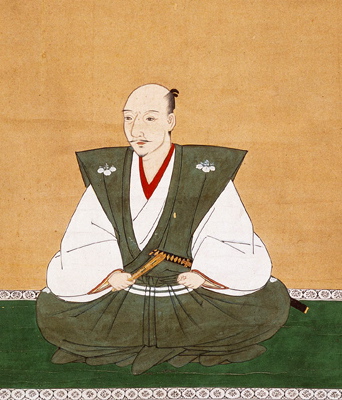
Oda Nobunaga – 織田 信長

Oda Nobunaga in a 16th-century portrait (Picture courtesy of Wikipedia)

Oda Nobunaga in a 16th-century portrait (Picture courtesy of Wikipedia)

Today we are going to talk about a very famous person from Japanese history, namely Oda Nobunaga. He was a powerful Daimyo (大名) and warlord, who initiated the unification of Japan, a process that would be continued by Nobunaga’s successors Toyotomi Hideyoshi (豊臣 秀吉) and Tokugawa Ieyasu (徳川 家康). Nobunaga is also often portrayed in modern media as well.

Oda Nobunaga was born in 1534, in the Owari Domain. As a young boy he was known for his bizarre behaviour, and he was called “the fool of Owari”. When firearms were introduced, Nobunaga quickly became fond of them. He was also known to play with other kids, no matter what rank they were from. He later accepted a position at the Imperial Court, and quickly climbed the ranks.

As he gained more power in the Imperial Court, he started to look homewards, and decided to unify the Owari Clan. He started to ruthlessly get rid of any opposition to him as head of the clan, and not even his uncles were safe.

In 1560, Imagawa Yoshimoto gathered an army of 25,000 men, together with the Matsudaira Clan, and started his march toward Kyoto, with the excuse of aiding the frail Ashikaga shogunate. Nobunaga, however, could only gather a force of about 3,000 men, and his allies and advisers would all advice against a frontal assault on Yoshimoto’s forces. However, as the larger force were celebrating earlier victories, and making camp, Nobunaga had his forces make a “fake” army out of straw some distance away from the enemy, and then sneaking around the main forces. As a thunderstorm broke out, Yoshimoto’s men took shelter, but Nobunaga took action, and set up his troops. When the storm passed, Nobunaga charged, and the battle of Okehazama was soon won.

After the battle, the Imagawa Clan’s power weakened, and they lost their influence over the Matsudaira Clan. This led to Nobunaga forging an alliance with Matsudaira Motoyasu, who would later become Tokugawa Ieyasu. This battle is also where Nobunaga first noticed the talents of his servant and sandal-bearer Toyotomi Hideyoshi.

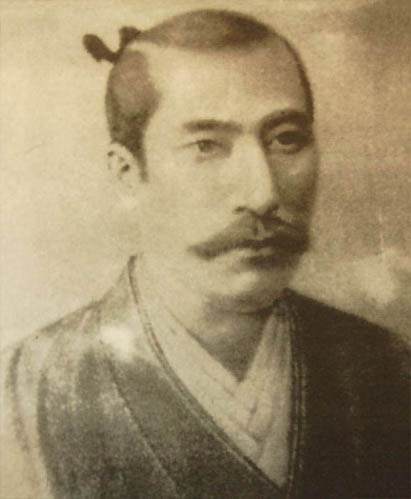
An imagined portrait of Oda Nobunaga (Photo Courtesy of Wikipedia)

An imagined portrait of Oda Nobunaga (Photo Courtesy of Wikipedia)

In Mino, Saitō Yoshitatsu died suddenly of illness in 1561, and was succeeded by his son, Saitō Tatsuoki. Tatsuoki, was young and much less effective as a ruler and military strategist compared to his father and grandfather. Taking advantage of this, Nobunaga moved his base to Komaki Castle, and started his campaign in Mino. By convincing Saitō retainers to abandon their incompetent and foolish master, Nobunaga weakened the Saitō clan significantly, eventually mounting a final attack in 1567, capturing Inabayama Castle, and send Tatsuoki into exile.

After taking possession of the castle, Nobunaga changed the name of both the castle and the surrounding town to Gifu. Remains of Nobunaga’s residence in Gifu can be found today in Gifu Park. Naming it after the legendary Mount Qi in China, on which the Zhou dynasty started, Nobunaga revealed his ambition to conquer the whole of Japan. He also started using a new personal seal that read Tenka Fubu (天下布武) which means “All the world by force of arms”. In 1564, Nobunaga had his sister marry Azai Nagamasa, a daimyo in northern Ōmi Province. This would later help pave the way to Kyoto.

Nobunaga is remembered in Japan as one of the most brutal figures of the Sengoku period and was recognized as one of Japan’s greatest rulers. Nobunaga was the first of three unifiers during the Sengoku period, and was well on his way to the complete conquest and unification of Japan when Akechi Mitsuhide, one of his generals, forced Nobunaga into committing suicide in Honnō-ji in Kyoto. Akechi then proceeded to declare himself master over Nobunaga’s domains, but was quickly defeated by Toyotomi Hideyoshi.

Nobunaga appears frequently within fiction and continues to be portrayed in many other anime, manga, video games, and cinematic films. Many depictions show him as villainous or even demonic in nature, though some portray him in a more positive light. He appears in movies such as Akira Kurosawa’s “Kagemusha”, and in the recent movie “Goemon”. He is also portrayed in a positive light in video games such as “Kessen III”, “Ninja Gaiden II”, and the “Warriors Orochi”-series. There is a whole series of games named after him, in “Nobunaga’s Ambition”, and he also appear in the “Shogun: Total War”-series, as well as in “Civilization V”. Nobunaga is also a playable character in the recent game “Pokémon Conquest”, who’s original title is “Pokémon + Nobunaga’s Ambition”, and therefore a cross-over between the “Nobunaga’s Ambition”-series, and the Pokémon universe.

Nobunaga might not have been the friendliest man, but he started the idea of a unified Japan. And even if he never lived to see it to completion, his actions and reputation made sure that the two succeeding shogun’s continued his work, and gave him a place in Japanese history, and in the collective memory of the Japanese people.

Now let’s play some Pokémon Conquest… I want to see how well well Nobunaga can use that Eevee, and beat the other poké-warlords!
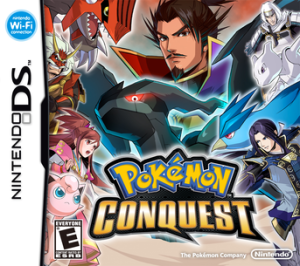
"Pokémon Conquest", where you can see Oda Nobunaga portrayed in the upper middle. (Photo courtesy of Wikipedia)

“Pokémon Conquest”, where you can see Oda Nobunaga portrayed in the upper middle. (Photo courtesy of Wikipedia)

Hanzômon – 半蔵門

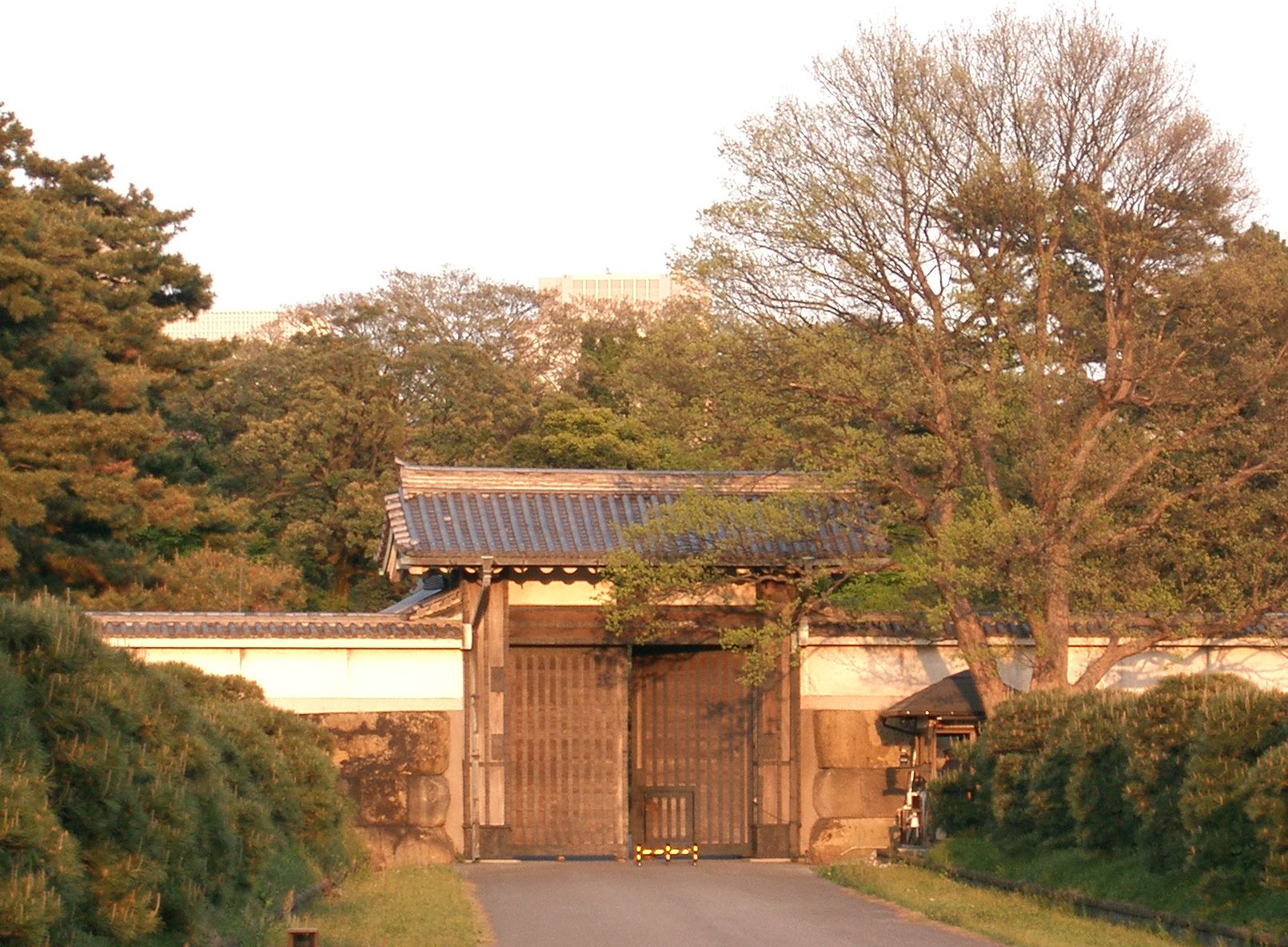
Our school is located in the Hanzômon area of Tokyo. But what is Hanzomon, and where does the name come from? Well, let’s find out! ^_^

The Hanzômon Gate in the 2007. (Photo courtesy of Japanese Wikipedia)

The Hanzômon Gate in the 2007. (Photo courtesy of Japanese Wikipedia)

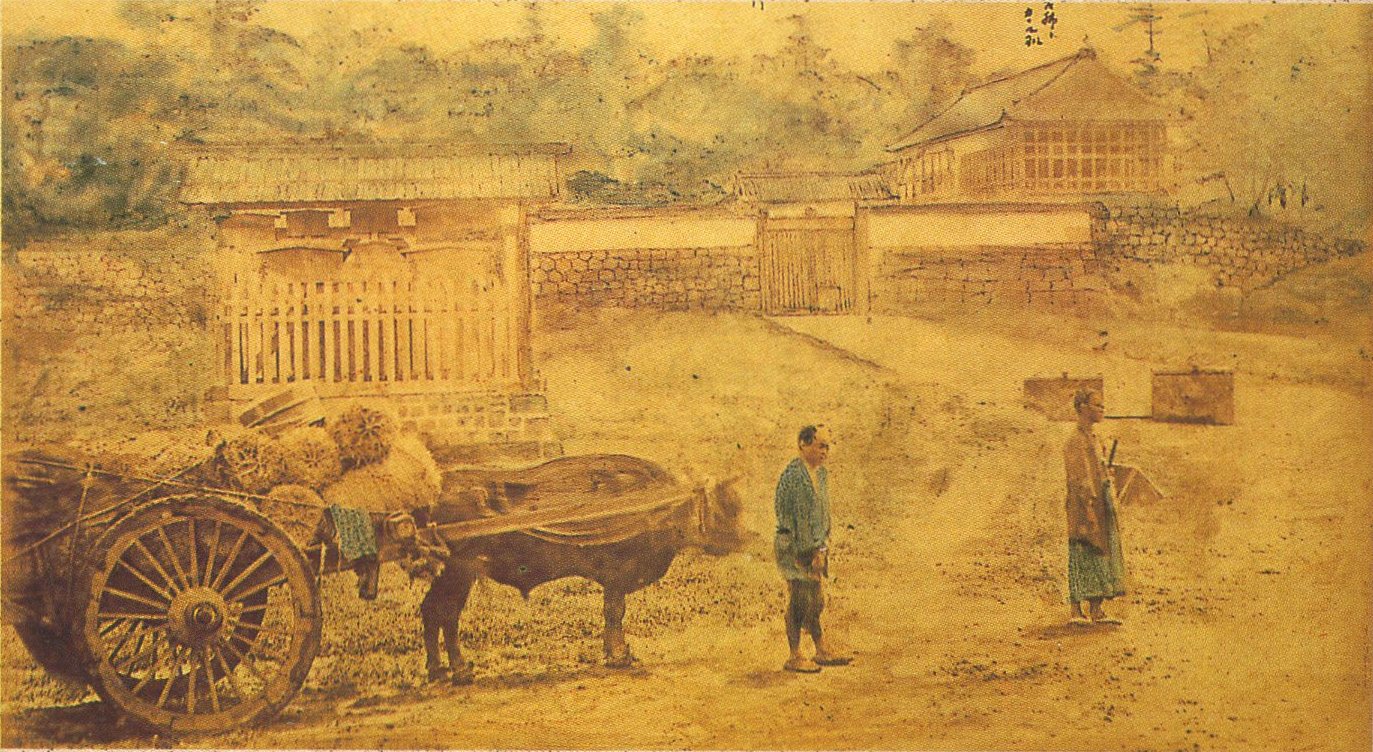
Hanzômon, or 半蔵門, means “the gate of Hanzô”, and was a gate to the old Edo Castle, or today’s Imperial Residence. It was located in Edo Castle’s westernmost part. The gate led straight on to the Kôshû Kaidô, one of the “Five Highways” of Edo Period, and connected Edo with today’s Yamanashi Prefecture. This gate has given it’s name to the area of Hanzômon, as well as the Metro Station in it’s vicinity.

The Hanzômon Gate in the Meiji Period. (Photo courtesy of Japanese Wikipedia)

The Hanzômon Gate in the Meiji Period. (Photo courtesy of Japanese Wikipedia)

The area inside of Hanzômon was known as the Fukiage (吹上, “clean blown”) in the Edo Period, and was where previous Shôguns and their families were housed. Today, this area houses the Fukiage Imperial Gardens, the Imperial Palace, the Biological Research Institute, and much more. The Hanzômon Gate is mainly used to accessing the residences of the Emperor and his closest family. It is not open for the general public, however. During WWII, the original gate burned down, and in it’s place stands the Wadakura Gate (和田倉門).

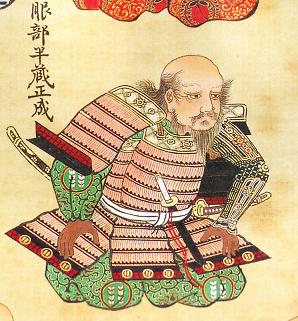
Hattori "Hanzô" Masanari. (Photo courtesy of Japanese Wikipedia)

Hattori “Hanzô” Masanari. (Photo courtesy of Japanese Wikipedia)

The gate itself got it’s name from the famous samurai and ninja Hattori Masanari, and his son with the same name. They often used the name “Hanzô” (半蔵) to refer to themselves, a tradition that has been used at least three times before the father/son duo. Another theory is that during a Sannô Matsuri, the statue on top of the float, or “dashi”, had to be cut in half in order to be able to pass through the gate, as the statue was too big. Hence, “half statue” becomes 半像, which is also read as “hanzô”. However, the established theory is the former, as the Hattori family and their vassals, about 200 men from the Iga Clan of ninjas, built a large mansion outside of the gate, and were in charge of patrolling and securing the area from Yotsuya (四谷) to the Kôshû Kaido.

So why not book a class with us, and while you are in the area, you can take some time to enjoy the history and beauty of the Hanzômon area. ^_^

Edo (江戸)

Our school is named Cosmos Tokyo, because it is where we are: in Tokyo. But what about the history of Tokyo? It wasn’t the capital all the time, and wasn’t there something called the Edo Jidai. How did Edo change into what we know today?

Pocket Map of Edo (Photo courtesy of Wikipedia)

Pocket Map of Edo (Photo courtesy of Wikipedia)

Let’s start with Edo (江戸). The name means literary “bay-entrance” or “estuary”. It started out as a small fishing village in the 15th century, when it came under the rule of Tokugawa Ieyasu (徳川家康). The village was built around a central castle, like most towns and villages were at the time. The area surrounding the castle was mainly for high lords’, or Daimyos’ (大名) residences that they used when visiting Edo, and the area was known as the Yamanote (山手). (This is where the JR Yamanote Line got it’s name from.)

The system of Sankin Kôtai, or “alternate attendance”, brought many Daimyos to Edo, together with their samurais and vassals, sometimes for long periods of time. This large presence of Samurais contributed largely to the character of Edo, which set it apart from Osaka and Kyoto. None of the other two cities were ruled by a Daimyo, or had such a large presence of Samurai. Kyoto was mainly dominated by the imperial court and the Buddhist temples, and Osaka was the country’s commercial centre, and therefore dominated by the merchant class, or chônin (町人).

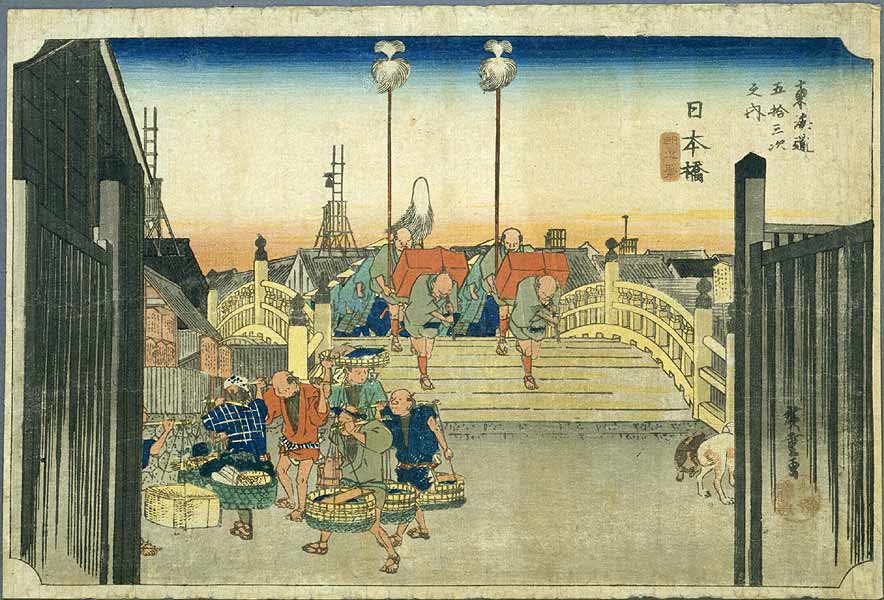
Nihonbashi (日本橋) (Photo courtesy of Wikipedia)

Nihonbashi (日本橋) (Photo courtesy of Wikipedia)

The “centre” of Tokyo was Nihonbashi (日本橋, “Japan bridge”). This bridge was, and still is, in the commercial centre of Edo, an area known as Kuramae (蔵前, “in front of the storehouses”). Here fishermen’s, tailors, craftsmen and other merchants would sell and buy goods and produce. This good were either coming in to Edo, or going out from it, on either ships to Osaka or other cities, or along one of the five main roads of Japan. Two of these main roads that connected the country are Tôkaidô (connecting Edo with Kyôto) and Hokkaidô (connecting Edo with… well the north). These main roads were all considered to have their start at Nihonbashi.

Edo was the centre for the Shoguns power from the establishment of the Tokugawa bakufu (幕府, “government”) until the fall of the bakufu, known as the bakumatsu (幕末, “end of government”). Since it was “only” the Shogun, and not the Emperor, it wasn’t the capital. That right was reserved for Kyôto. After the bakumatsu, in the second year of his reign, the emperor Meiji moved to Edo, and the city changed name to Tôkyô, or “the eastern capital”.

If you want a more detailed look into the life in Edo, and how it developed and turned into the Tokyo we know today, I really recommend a visit to the Edo Tokyo Museum in Ryogoku.

Ultraman


Ultraman performs his Ultra-slash move (Photo courtesy of http://ultra.wikia.com)

Ultraman performs his Ultra-slash move (Photo courtesy of http://ultra.wikia.com)

We have previously written about two sub-genres of the Tokusatsu (特撮) genre of Japanese movies: the Kaiju (怪獣) movies, and the Super Sentai (スーパー戦隊) series. This time we take a quick look at the long-running series “Ultraman”.

“Ultraman” also falls under the Tokusatsu genre, and was first aired in 1966, on Tokyo Broadcasting System (TBS). The series has become a major pop culture phenomenon in Japan, and has spawned numerous sequels, spin-offs, imitators, and even remakes and parodies.

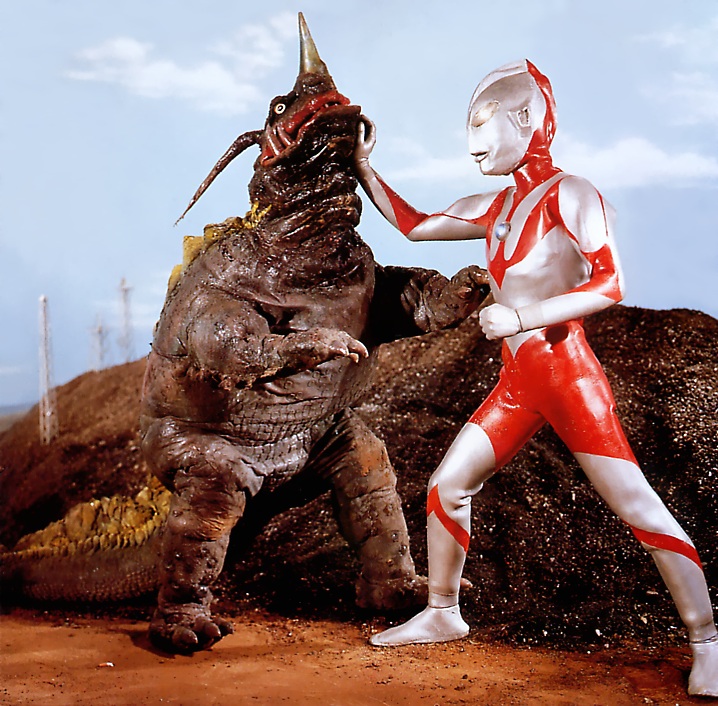
Ultraman fights Neronga. (Picture courtesy of http://ultra.wikia.com)

Ultraman fights Neronga. (Picture courtesy of http://ultra.wikia.com)

The central characters of the “Ultraman” series were created by the same special effects pioneer that was in charge of bringing the first Godzilla to life in 1954: Eiji Tsuburaya from Tsuburaya Productions. The final design of Ultraman ended up being a mix between alien designs from the American pulp magazines of the 1920’s, with the design of the classic “Roswell Alien”.

The first series starts when Shin Hayata, a member of the Science Special Search Party (科学特別捜査隊 “kagaku tokubetsu sôsatai”) is flying in his plane, and suddenly he crashes into a red light-sphere. This sphere turns out to be the transport for a giant being known as Ultraman.

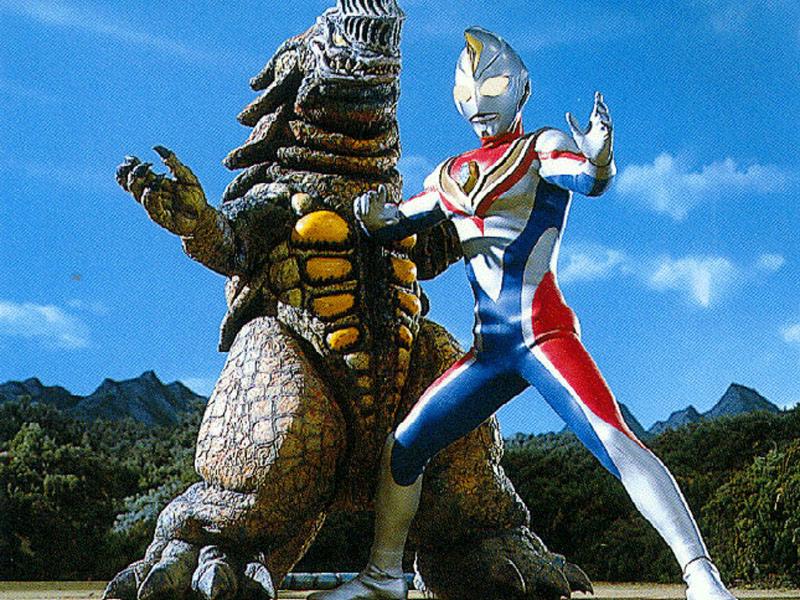
Ultraman Dyna fights Grossyna (Photo courtesy of http://ultra.wikia.com)

Ultraman Dyna fights Grossyna (Photo courtesy of http://ultra.wikia.com)

Feeling guilty for having killed the human, he merges his essence with Shin, and brings him back to life. Hence, Shin serves as the human form, working with the Science Special Search Party, and whenever they run out of resources or solutions, Shin activates his “beta capsule” and transforms into Ultraman.

Another connection between Godzilla and Ultraman, is that the principal monsters in the Ultraman series was played by Haruo Nakajima, the same suit actor that played Godzilla. Also, famous monsters like Godzilla and Baragon would appear in the Ultraman series, just slightly altered, and under different names. And sometimes the alteration would only be a slight repaint with a spray can, or similar quick alterations.

If you haven’t seen anything of Ultraman, give it a go. When two of the men behind the original Godzilla are involved, it can only be great!